How to Design a Montessori-Inspired Classroom on Any Budget
Montessori-inspired classrooms are known for their calm, organized, and child-centered environments. But for many daycare directors and early learning centers, the idea of a full Montessori setup can feel expensive or overwhelming.
The good news? You don’t need a complete overhaul to bring Montessori principles into your space. With thoughtful design choices and the right classroom furniture, you can create a functional, engaging environment - no matter your budget.
What Makes a Classroom “Montessori-Inspired”?
A Montessori-inspired classroom focuses on independence, accessibility, and purposeful learning. Instead of cluttered or teacher-led layouts, the space is designed so children can explore and choose activities on their own.
Key principles include:
- Child-height furniture and accessible materials
- Open shelving instead of closed storage
- Clearly defined learning areas
- Minimal clutter and intentional design
- Natural tones and calming environments
These elements help children build confidence, responsibility, and focus.
Start with Layout, Not Budget
Before purchasing anything new, take a look at your current classroom layout.
A Montessori-inspired setup begins with how the space is organized, not how much is spent.
Simple changes you can make right away:
- Rearrange furniture to create clear pathways
- Separate activity areas (reading, practical life, sensory, etc.)
- Remove excess materials and rotate items instead
- Position frequently used items within children’s reach
Even without new purchases, these adjustments can significantly improve how your classroom functions.
Use Open Shelving for Accessibility
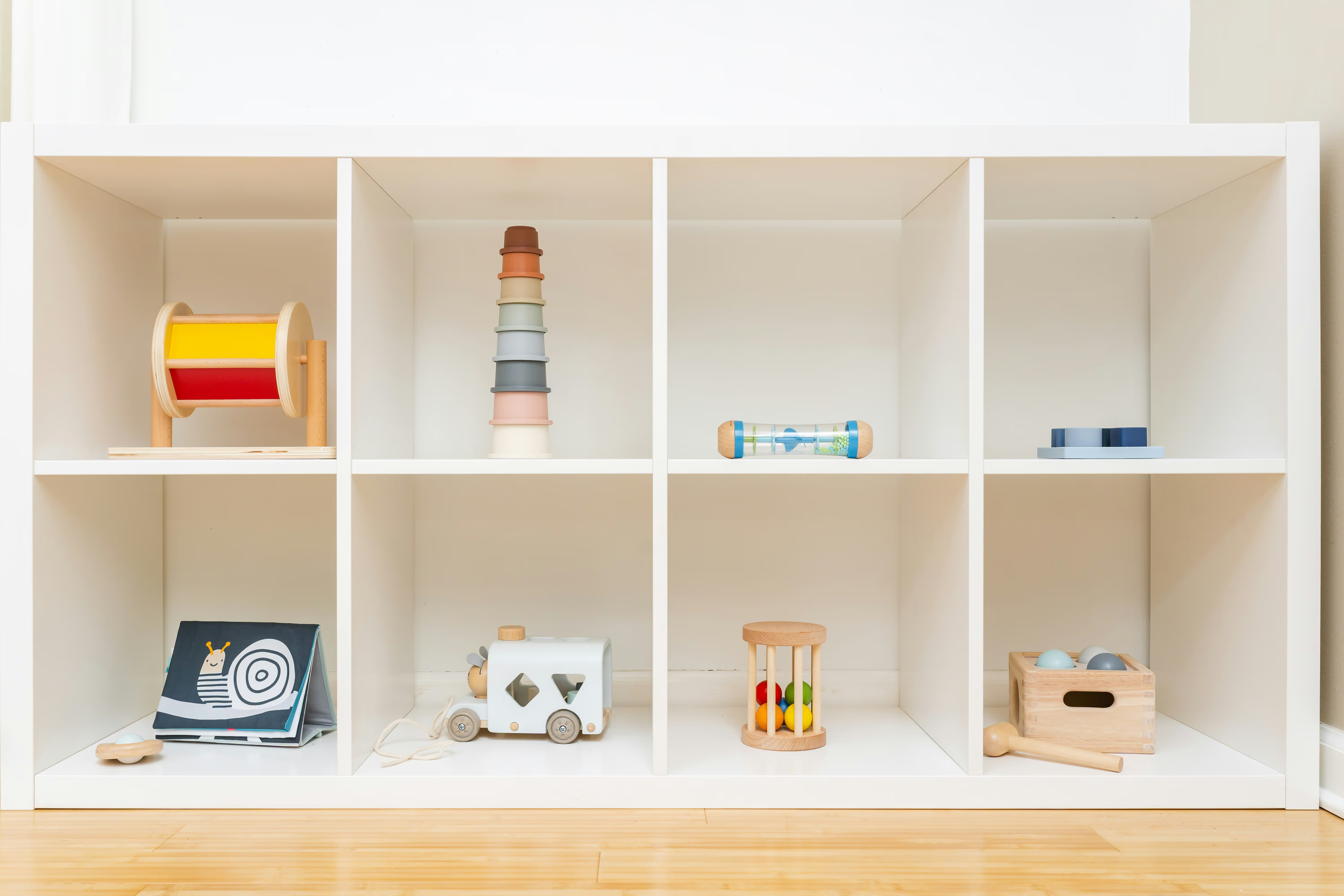
One of the most recognizable features of a Montessori-inspired classroom is open shelving. Instead of storing materials in closed bins or cabinets, children can independently see, choose, and return activities on their own. This setup encourages responsibility, confidence, and decision-making skills while creating a calmer and more organized learning environment.
If you’re working with a limited budget, simple adjustments can still make a big impact:
- Repurpose or reorganize existing shelving units
- Use low, child-accessible storage furniture
- Display fewer materials at a time to reduce overwhelm
- Rotate activities regularly to maintain interest and focus
Montessori-Inspired Products to Consider
Here are a few classroom products from our collection that can help support a Montessori-inspired setup:
- Stainless Steel Pots and Pans Metal Pretend Play Kitchen Set (8 pcs)
A durable pretend play kitchen accessory set that encourages practical life activities, imaginative play, and social interaction. The realistic stainless steel design helps children engage in hands-on learning experiences. - Standard Unit Blocks - LCI503
Classic wooden unit blocks designed for open-ended play, creativity, problem-solving, and spatial development. Ideal for independent exploration and collaborative learning. - KIDSoft™ Branching Out Carpet, 6' x 9', Tan - CAR23756
A nature-inspired classroom carpet that helps create a warm and calming learning space while defining activity or reading areas within the classroom. - Jonti-Craft® Flushback Pick-a-Book Stand - JON3514JC
A child-height book display that keeps books visible and accessible, encouraging independent reading and self-selection of materials. - Jonti-Craft® Low Single Mobile Storage Unit - JON0392JC
A low-profile storage solution designed to keep classroom materials organized and within children’s reach while supporting flexibility and accessibility. - TrueModern® Play Kitchen 4-Piece Set - JON1711JC
A modern dramatic play kitchen set that supports imaginative learning, practical life skills, and collaborative play in early learning environments.
Choose Flexible, Child-Friendly Furniture
Montessori environments prioritize furniture that is:
- Sized appropriately for children
- Easy to move and reconfigure
- Durable for daily use
You don’t need to replace everything at once. Start with key pieces like:
- Low tables and chairs
- Storage units for independent access
- Multi-purpose furniture that supports different activities
Over time, you can gradually upgrade to more specialized classroom furniture that supports your layout.
Create Purposeful Learning Zones
A Montessori-inspired classroom is organized into functional learning areas, each with a clear purpose.
Examples include:
- Practical Life Area – everyday tasks and fine motor skills
- Sensorial Area – hands-on exploration of textures, shapes, and sizes
- Language Area – books and literacy materials
- Math Area – counting and problem-solving tools
Using rugs, shelves, or furniture placement helps define these zones without needing extra space or cost.
Keep It Simple and Clutter-Free
Montessori design follows a “less is more” approach.
Instead of filling shelves with many items, focus on:
- Displaying a few high-quality materials
- Rotating activities regularly
- Maintaining a clean, organized environment
This not only improves focus but also makes the classroom easier to manage for teachers.
Budget-Friendly Tips That Work
Designing a Montessori-inspired classroom doesn’t have to be expensive. Here are practical ways to stay within budget:
- Rearrange before buying new furniture
- Repurpose existing shelves and storage
- Invest gradually in key pieces over time
- Prioritize functionality over decoration
- Choose durable items that last longer
Small, intentional changes can have a big impact.
Ready to Create a Montessori-Inspired Space?
You don’t need a full renovation to bring Montessori principles into your classroom. With the right layout, accessible storage, and child-friendly furniture, you can create a space that supports independence and meaningful learning. SB Custom Learning offers classroom furniture, shelving, and storage solutions designed to help early learning centers build functional, flexible environments - at any budget.
Explore classroom solutions and get inspired:
https://shop.sbcustomlearning.com/
Need help designing your space?
Connect with SB Custom Learning to create a customized classroom layout tailored to your needs. Give us a call at 708-482-0243.
Frequently Asked Questions
Can I create a Montessori-inspired classroom without buying new furniture?
Yes. Many Montessori principles are about layout and organization rather than specific products. Rearranging your current furniture to create clear pathways, lowering storage so children can access materials independently, and decluttering shelves are all meaningful changes you can make right away.
How many learning zones does a Montessori-inspired classroom need?
There's no set number, iit depends on your space and age group. A good starting point is four to five areas: practical life, sensorial, language, math, and a defined reading or carpet space. Even simple zone markers like rugs or shelf placement can define areas without requiring extra square footage.
What's the most important piece of furniture to prioritize first? Open, child-height shelving tends to have the biggest impact on classroom function. When children can independently see, select, and return materials, it supports the self-directed learning that's central to the Montessori approach.
How often should classroom materials be rotated?
Most early childhood educators rotate materials every two to four weeks, or whenever engagement begins to drop. Keeping fewer items on display at a time (and swapping them regularly) maintains children's interest and keeps the environment feeling intentional and calm.